Publisher player available here
Alpha News Interview: Josh Liljenquist on the St. Paul Parks Restriction
Alpha News · Liz Collin Reports
Watch Josh Liljenquist's Alpha News interview with Liz Collin about the St. Paul parks restriction, its April 22 rescission and its impact.
Playback
Editorial overview
About this appearance
Unique editorial summary
Alpha News host Liz Collin interviewed Minnesota creator Josh Liljenquist about the origins of his social-media work, the family tradition that shaped his approach to helping people, and the St. Paul Parks and Recreation restriction that was later rescinded. Liljenquist described his grandfather Tom Westcott, a Vietnam veteran who operated Fairmont Plumbing & Heating and helped families with plumbing, heating and cooling needs at no charge. He said learning about that service after Westcott's death influenced the legacy he wants to leave for his own family.
The interview then turned to the April 2026 restriction. Liljenquist said he initially believed the text notice was a scam because he had not previously been warned, and he challenged anonymous complaints and an alleged event date when he says he was in Florida. Collin discussed the appeal meeting and the city's April 22 reversal. Liljenquist also described the reputational and business impact of the initial headlines, including the cancellation of a planned collaboration with the national Special Olympics organization, according to his account.
The final section covers former St. Paul fire captain Tom Bever. Alpha News reported that Liljenquist's fundraiser exceeded $22,000 in its first week; Liljenquist later said it passed $25,000. The historical interview appears with a separate outcome update so readers can understand both the original dispute and its final status.
Key facts
- Original publisher title
- Social media influencer Josh Liljenquist on ban from St. Paul parks: ‘I thought it was a scam’
- Outlet
- Alpha News
- Program
- Liz Collin Reports
- Source family
- Alpha News interview 2026
Readable transcript
Transcript
Approved for website publication; full end-to-end audio verification is not documented. Any omissions or known limitations are stated in the transcript note below.
Read transcript
Alpha News interview transcript
Transcript note: This transcript has been lightly edited for readability by removing non-substantive verbal fillers, correcting obvious proper-noun errors and adding punctuation. The meaning and sequence of the original broadcast have not been changed. Liz Collin's questions and commentary reflect the host's editorial framing; Josh Liljenquist's responses are his own statements.
00:00 — Program preview
ALPHA NEWS TEASER: A social media influencer dedicated to spreading kindness was banned from St. Paul parks while helping people experiencing homelessness and wants to set the record straight about what happened. Next.
[Music plays.]
00:19 — Josh Liljenquist's mission and Fairmont roots
LIZ COLLIN: Josh Liljenquist is my guest. Great to see you, Josh. We love your videos. We're big fans. Thanks for being here.
JOSH LILJENQUIST: Thank you so much, Liz.
LIZ COLLIN: I have to mention right off the top: you are from Fairmont, Minnesota, which I can appreciate as a Worthington native. Amid all the vitriol we see on social media, you're one of the few trying to use it for good. You've done a lot of good in a short amount of time. Your kindness is contagious with your millions of followers between TikTok and Instagram. How did this start, and what is your mission?
JOSH LILJENQUIST: It started around COVID. I did some things with my dad, just messing around, and I found that I have a deep passion for making people feel some sort of emotion. At first, it was comedy and lighthearted things with my dad. Then I started seeing money coming in, and I thought, “How could I turn this into something that could also benefit other people, not just myself?”
I started giving money away. I saw other people doing it as well, and I drew inspiration from them. I fell in love with it and posted my first video. It felt really good. People messaged me and said, “You inspired me to go out and do something.” Knowing that you inspired somebody to do something good for somebody else is a feeling you can't really explain. It's a beautiful thing.
01:58 — Tom Westcott and a family tradition of helping people
JOSH LILJENQUIST: My parents and grandparents had been doing this since I was a kid. My grandfather was in Vietnam. He came home and started a small plumbing business, a local mom-and-pop business. When families called because they couldn't afford to get their heat turned on or had plumbing, heating or cooling problems, he would pick up me or my cousin—his grandkids—and teach us how to help.
We didn't know he was doing the work for free. Nobody in the family really knew until he passed away from health complications related to Agent Orange exposure. At the funeral, people told our family how much of an impact he had and what he had done. That's when I put two and two together. Whenever he picked us up, he was helping a family for free.
I want my grandkids to feel the same way about me that I feel about my grandpa—the pride and inspiration I feel because of the impact he had on me.
LIZ COLLIN: That's incredible to hear about the seed that was planted back then.
03:17 — The St. Paul parks restriction
LIZ COLLIN: I have to bring up the headlines you made recently and what you experienced with the media coverage and city administrators. For those who don't know, the St. Paul Parks and Recreation director sent you a letter banning you from city parks. You were accused of disturbing the peace and park operations and of harassing, recording and profiting from vulnerable adults without permission. What went through your mind when you first saw that letter?
JOSH LILJENQUIST: When I got the text, I thought it was a scam. I didn't think it was real. I thought somebody was playing a prank. I had never been approached by anybody saying I had done anything wrong.
The only time I had been approached was by the sheriff's department. They asked if I could introduce them to people at the camp, and I said I would love to. We handed out items the sheriff's department had gathered, went through the camp and distributed them. They asked for pictures, and we made a video showing that the sheriffs were there to help and serve. It went really well, and I think the public received it well.
That was only a few weeks earlier. If there were police reports or anything I was doing wrong, I would have expected someone to bring it to my attention. Nobody from the parks, sheriff's office or police ever did. The notice came out of left field. I thought it was fake.
05:29 — Appeal meeting, consent and anonymous complaints
LIZ COLLIN: You asked for an attorney to be involved for due process and to understand what city officials were talking about. You recorded the meeting. Listening to it, it appeared the matter was based on anonymous complaints. You also said you get permission before recording people. Is that right?
JOSH LILJENQUIST: Yes. I'm not the only person who goes out there to help, and I always have somebody with me. Give me a date when they say I recorded without permission, and I can tell you who was with me. They can sign an affidavit saying I asked for permission and did not record without consent.
I never received a date or a person's name. It was anonymous emails. One said, “I saw Josh at the park on this date,” and I said that was impossible because I wasn't in the state. The emails they sent as proof also came after I was banned.
LIZ COLLIN: What went through your mind as you listened to city officials say the good you were doing was not wanted in St. Paul?
JOSH LILJENQUIST: It was difficult. I wish the conversation had been, “How can we work together and do good together?” If I had support from the city or state, there is so much good that could be done. If they had advice about how I could do things better, I would always be open to it, but I never received that.
07:14 — Evidence, due process and unequal treatment concerns
JOSH LILJENQUIST: I am still confused by the letter. The concert allegation was one small part of the evidence, and the references to my name were anonymous emails. Much of the other material appeared tied to somebody else, and that person did not receive even a one-day ban. I did not understand how I received a six-month restriction from every city park.
LIZ COLLIN: Do you think this was about the publicity surrounding people living in St. Paul encampments?
JOSH LILJENQUIST: There could be a few reasons. I hope I can get answers. Instead of getting rid of somebody who is trying to help, I think the city should ask what that person needs to help solve the problem.
I found many other people who had recorded at the camp, including people with loudspeakers and a stage. That material was online and easy to find by searching Pig's Eye Park. Nobody else received the same action. I struggled with how to respond to anonymous emails and hearsay when I wasn't given a name, date, time or enough information to answer the allegation.
10:37 — Rescission and damage to reputation
LIZ COLLIN: After you made your case, St. Paul officials reversed the decision and rescinded the restriction. But some might say the damage was already done because the headlines said you harassed vulnerable adults or people experiencing homelessness. How did that affect your work and message?
JOSH LILJENQUIST: I lost many partnerships that I valued. One was with the Special Olympics. My cousin competes in the Special Olympics, so I was really looking forward to working with them. Losing that was painful.
I was also on a family vacation when this happened. That trip was a Christmas present to spend quality time with my family, but I was responding to the press and saying, “I didn't harass people. I don't know where this is coming from.” When people searched my name, the headlines accused me of harassing people experiencing homelessness.
At the appeal hearing, they said the complaint was not tied directly to a person experiencing homelessness but to a sibling. They also said it was not necessarily about recording. I did not understand why those issues were included in the letter if that was not what the action was about.
LIZ COLLIN: The letter included those claims, but you say they were not supported when you attended the hearing.
JOSH LILJENQUIST: I knew there was no substance because I would never harass anybody. “Harass” is a strong word, especially in reference to people experiencing homelessness. That's not who I am or what my family represents.
12:53 — Helping former St. Paul fire captain Tom Bever
LIZ COLLIN: Despite what happened, you are still doing good. You recently saw our report about former St. Paul fire captain Tom Bever. He was injured in the line of duty and said he had to battle Minnesota bureaucracy over treatment and medical bills, leaving his family living in a barn. Why did you want to help?
JOSH LILJENQUIST: Because it was wrong and unfair. He didn't get what he deserved. First responders go through a lot. They see a lot, and they deal with a lot mentally. I know that because my dad was in the fire department for 18 years. He deals with anxiety and mental-health struggles. He was never physically injured on the job, but if he had been, I would hope the system would cover the harm that happened during his service.
If you're going to send somebody into situations where they don't know what they may face, be prepared to fight their battles when they are no longer working. I don't believe that was happening for Tom.
14:10 — Where to follow Josh Liljenquist
LIZ COLLIN: I know you have made a difference for the Bever family. How can people follow you and your work?
JOSH LILJENQUIST: Joshlilj on Facebook, Instagram, TikTok and YouTube.
LIZ COLLIN: We are grateful for your work and sorry about your battles with the City of St. Paul. Thank you for fighting the good fight.
JOSH LILJENQUIST: Thank you so much, Liz.
Related source-family pages
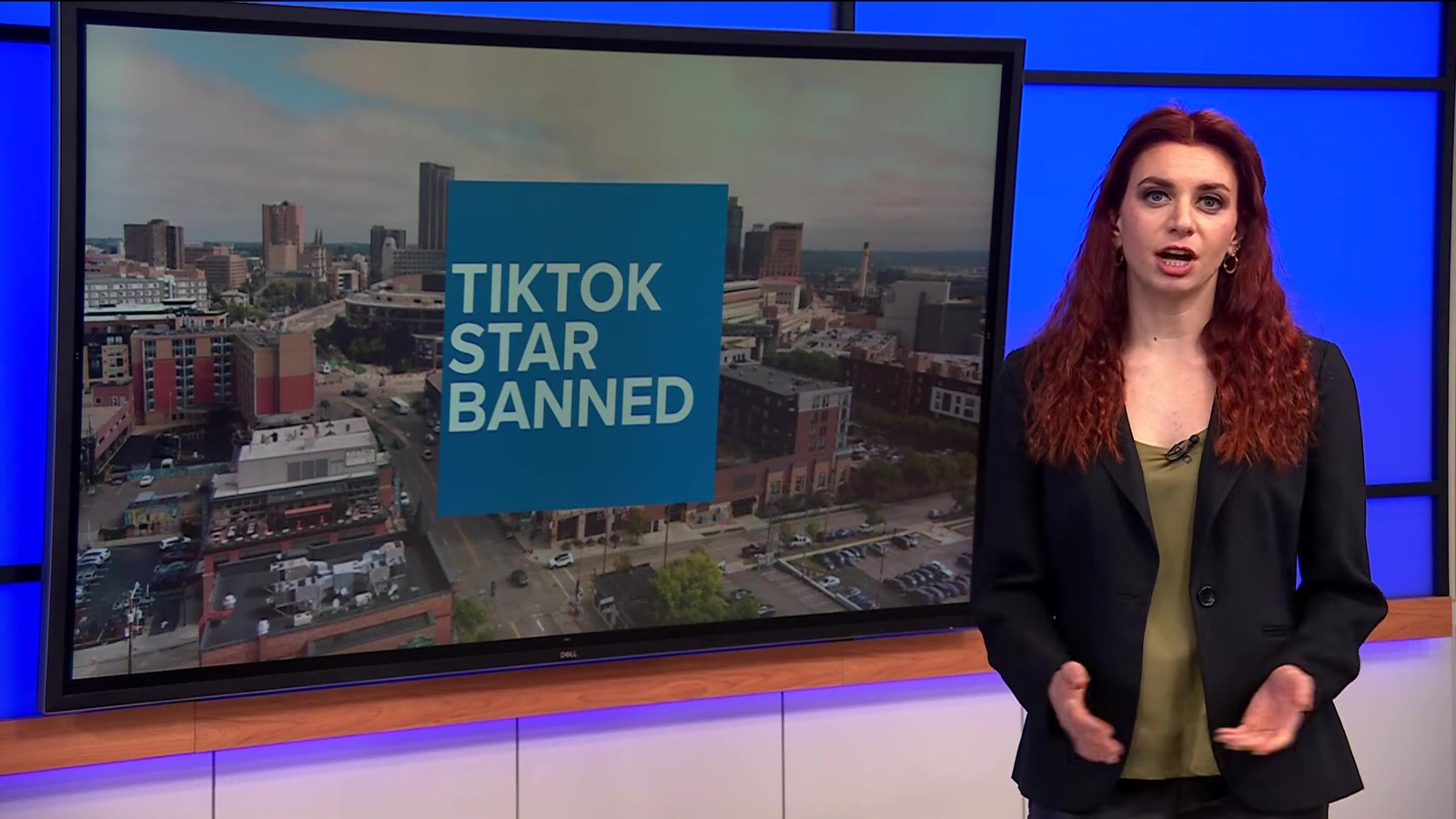
KARE 11
KARE 11 Short Report on Josh Liljenquist and St. Paul Parks
April 22 outcome includedApril 14, 2026 · 1:13 supplied appearance scope
Publisher player available here · Readable transcript
View appearance page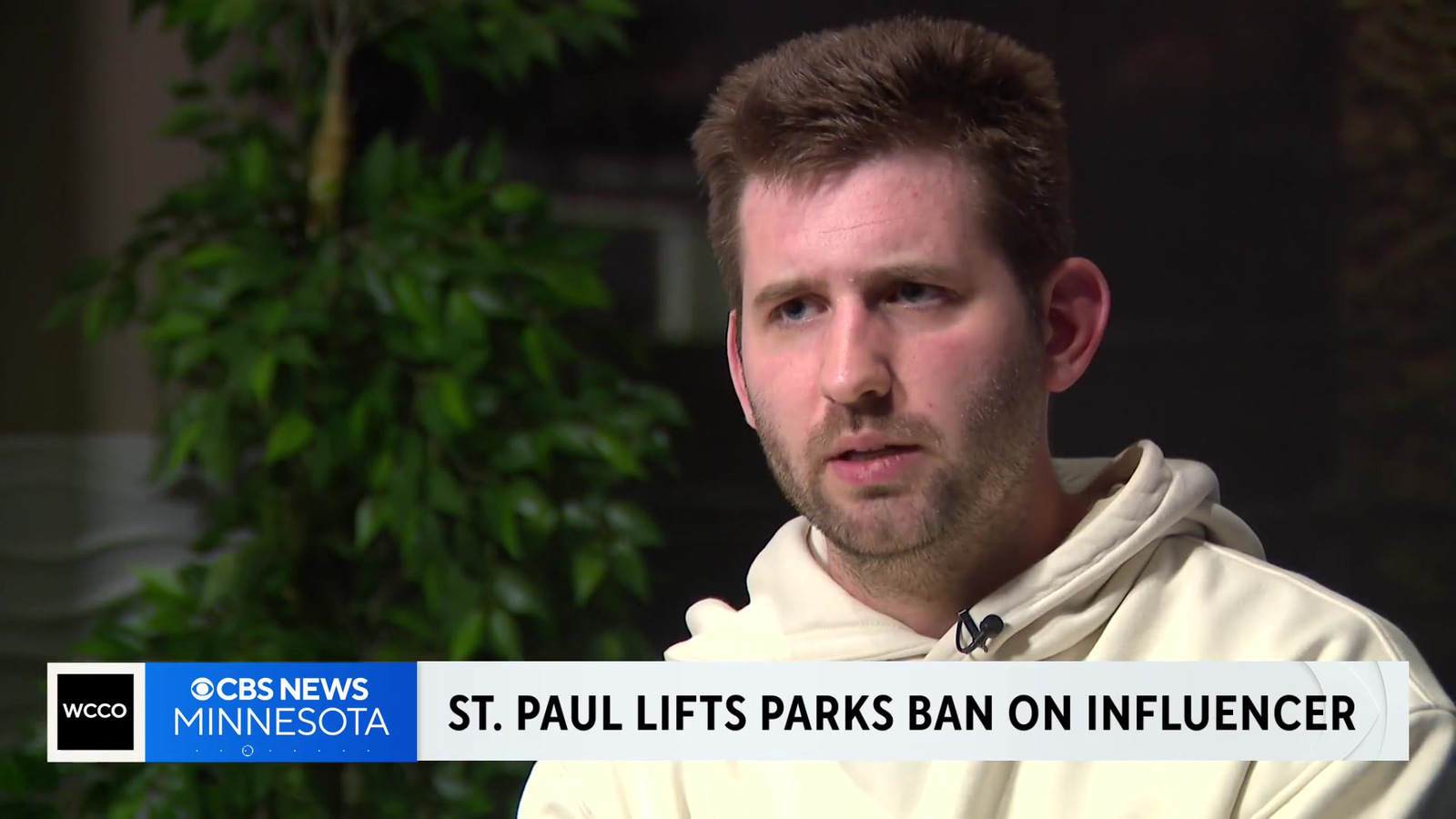
WCCO-TV / CBS News Minnesota
St. Paul Lifts Parks Restriction on Josh Liljenquist
April 22 outcome includedApril 22, 2026 · 0:31
Publisher player available here · Readable transcript
View appearance page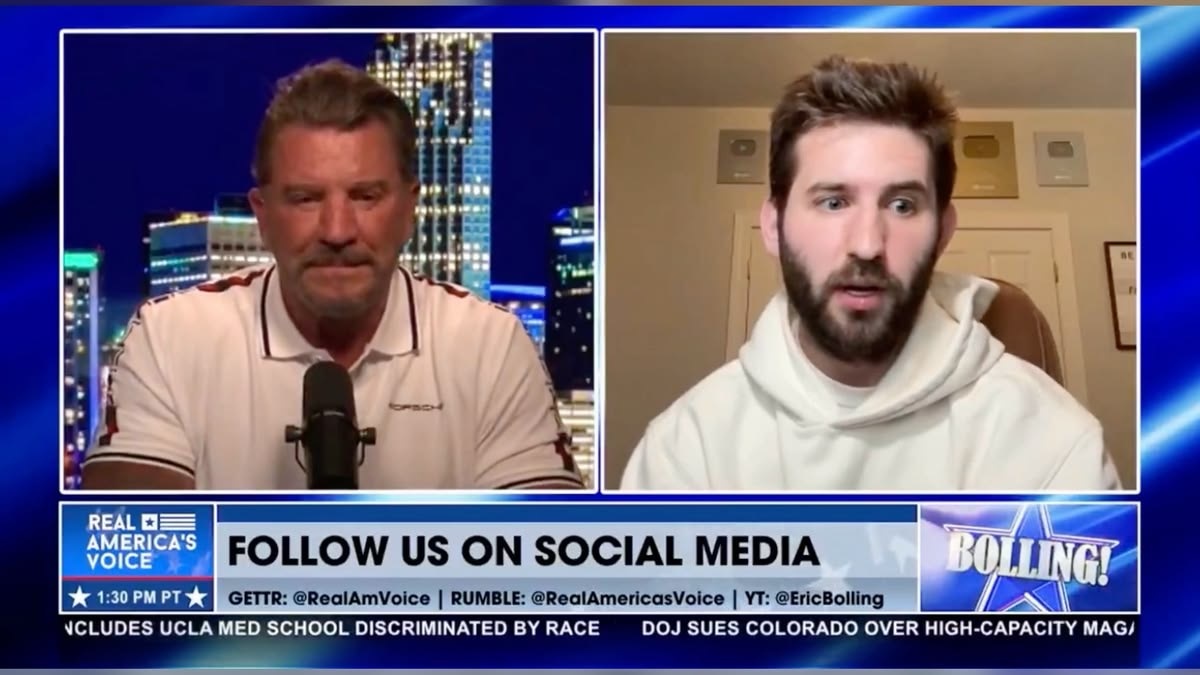
Real America's Voice
Josh Liljenquist Discusses Kindness Work and St. Paul Parks on BOLLING!
April 22 outcome includedMay 6, 2026 · Runtime pending verification
Publisher player available here · Readable transcript
View appearance pageSource and rights information
Original publisher title: Social media influencer Josh Liljenquist on ban from St. Paul parks: ‘I thought it was a scam’
Social media influencer Josh Liljenquist on ban from St. Paul parks: 'I thought it was a scam'
Status: Publisher player available here
Source: Official publisher player
Publisher and related sources
- Watch on Alpha News
- Alpha News article
- Official Alpha News YouTube upload
- Tom Bever follow-up
- Source-linked St. Paul timeline
The outlet is identified as the broadcaster or publisher, not as a partner or endorser. This page uses official publisher players or the website archive source identified above.